7 Safest High-Altitude Drones for Unforgettable Family Vacations
From the Rockies to the Alps, these reliable, easy-to-fly drones feature advanced safety tech to capture your family's adventures, all while keeping an eye on future FAA rules.
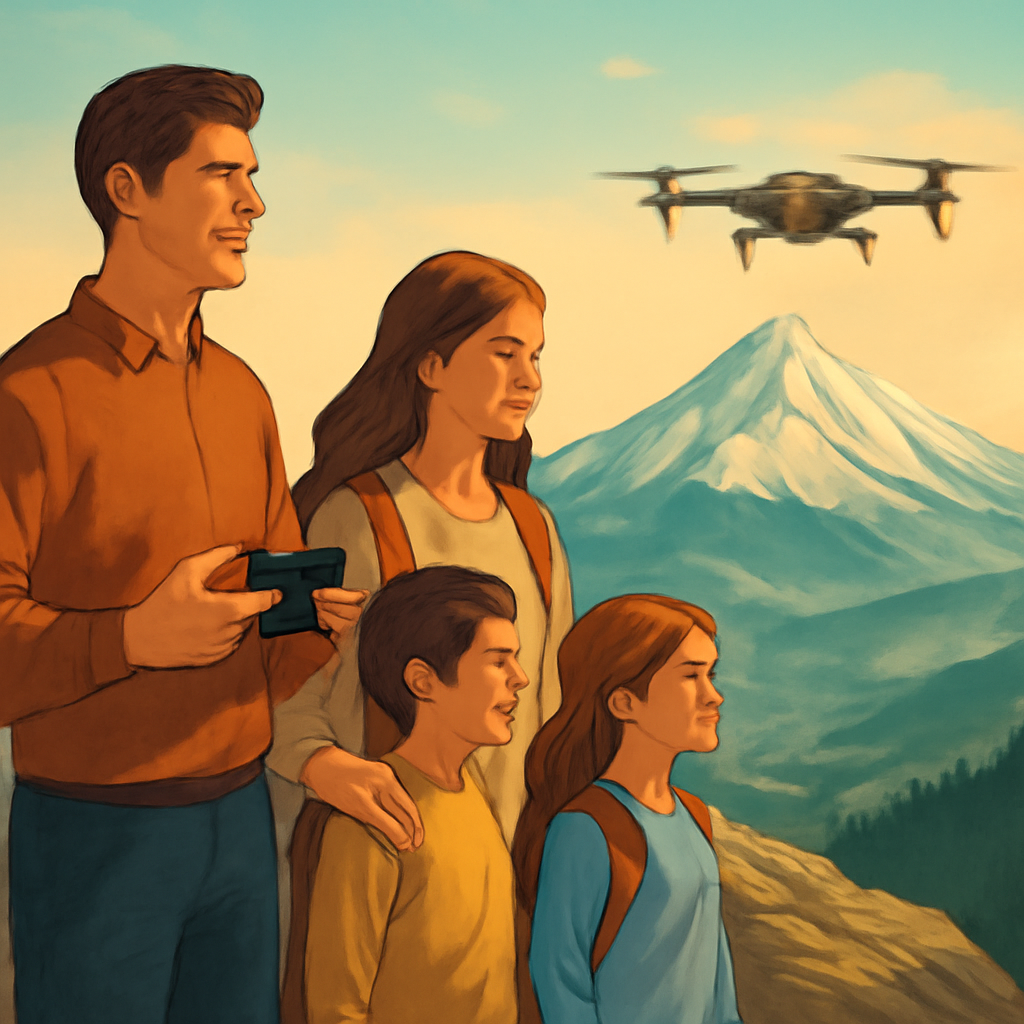
Imagine standing at a viewpoint in the Swiss Alps, the Matterhorn piercing the sky. Your family is breathless, and you want to capture not just the selfie, but the sheer scale of the landscape. This is where a drone transforms a great photo into a cinematic family heirloom. But as altitudes increase, so do the risks: thinner air, unpredictable winds, and complex regulations. Choosing one of the safest high-altitude drones for family vacations is no longer just about camera quality; it’s about ensuring your expensive new gear doesn't become a liability. With the Federal Aviation Administration (FAA) continually refining its rules, like the upcoming guidelines for flights over people which include a stringent Category 4 classification potentially taking full effect by 2026, buying a future-proof and fundamentally safe drone is paramount.
This guide is for parents who want to elevate their vacation videography without a semester's worth of aeronautical study. We've sifted through the specs, decoded the regulations, and identified the drones that offer the best combination of high-altitude performance, user-friendly operation, and, most importantly, advanced safety systems. These are the models that will not only serve you well today but are also built with the safety-first principles that align with the future of drone flight.
1. What makes the DJI Air 3 a Top Choice for Mountain Trips?
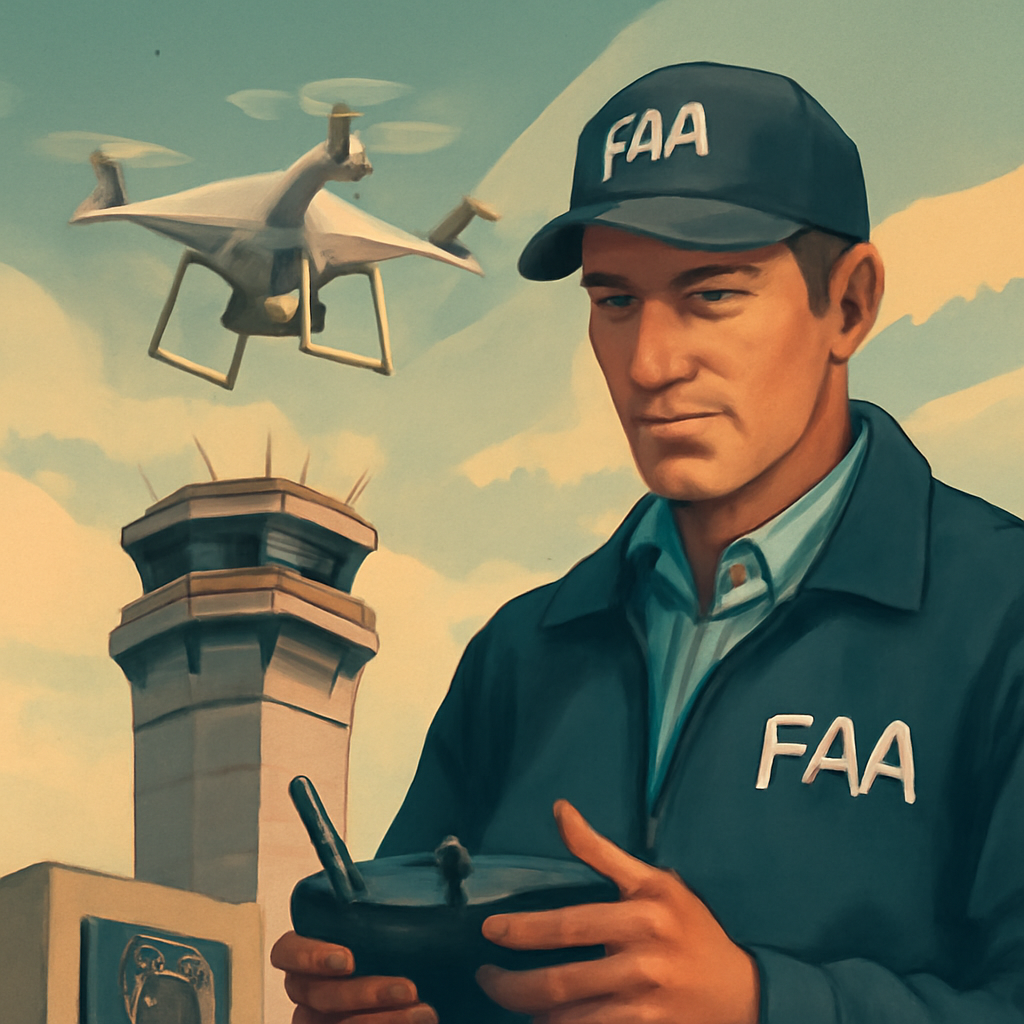
The DJI Air 3 hits the sweet spot for families. It’s a significant upgrade from its predecessors, primarily due to its omnidirectional obstacle sensing system. For a parent juggling gear and kids on a mountain trail, this is a game-changer. The drone sees and avoids obstacles in every direction—front, back, sides, up, and down—drastically reducing the chance of an accidental crash. This is powered by DJI's APAS 5.0 (Advanced Pilot Assistance Systems), which allows for smooth maneuvering around objects rather than just stopping dead.
At high altitudes, the Air 3's performance is robust. It boasts a service ceiling of 6,000 meters (19,685 feet), meaning it can operate effectively in thinner air found on most vacation-worthy mountains. Its impressive 46-minute flight time—while reduced in cold, windy conditions—still provides ample opportunity to get the perfect shot. Furthermore, it's equipped with Standard Remote ID, making it compliant with current FAA regulations right out of the box. Its combination of advanced sensing and reliable performance makes it a leading candidate for safe, high-altitude family fun.
2. Why is the Autel EVO Lite+ a Strong Competitor for High-Altitude Filming?
Autel Robotics has long been DJI's fiercest competitor, and the EVO Lite+ is a testament to why. Its standout feature for high-altitude use is its exceptional low-light camera performance, thanks to a 1-inch CMOS sensor. This is perfect for capturing those magical sunrise or sunset moments in the mountains when light is scarce. But it also packs a serious safety punch with a 3-way obstacle avoidance system (front, back, and downward).
While its sensor coverage isn't as comprehensive as the Air 3's, the EVO Lite+'s algorithms are highly effective. A unique feature is its adjustable aperture, giving you more creative control over your shots—a bonus for the aspiring family filmmaker. With a service ceiling of 5,000 meters and a 40-minute flight time, it's well-equipped for alpine environments. The EVO Lite+ is also Remote ID compliant, ensuring you are flying legally in the United States airspace. For families who prioritize image quality without compromising on core safety features, the EVO Lite+ is a superb option.
3. Is the DJI Mini 4 Pro the Safest Ultra-Light Drone for Travel?
For families where every ounce in the backpack counts, the sub-250-gram category is king. The DJI Mini 4 Pro is the monarch of this space. Historically, small drones meant compromising on safety features, but not anymore. The Mini 4 Pro brings omnidirectional obstacle sensing to the ultra-light class for the first time, a feature previously reserved for its larger, more expensive siblings. This makes it arguably the safest travel-friendly drone on the market.
Its lightweight nature is a double-edged sword at altitude. While it has a respectable 4,000-meter service ceiling, it's more susceptible to strong winds than heavier drones. However, for calm days above the treeline, it's unbeatable for convenience. Because it weighs under 250g, it falls into the FAA's Category 1, allowing for more flexible operations over people, which is a huge plus for capturing candid family moments. It also includes Standard Remote ID, cementing its status as a responsible, go-anywhere creative tool.
Pro Tip: Always acclimate your drone batteries before flying in the cold. Keep them in a warm pocket and only insert them just before takeoff. Cold batteries can lose power suddenly, which is a major safety risk at high altitudes.
4. How do FAA Categories for Drones Impact a Family's Choice?
Understanding the FAA's drone categories is key to making a smart purchase. These categories (1-4) primarily govern flights over people and moving vehicles, a common scenario on vacation. The goal is to mitigate risk based on the drone's weight and safety features.
Most consumer drones you'd consider fall into Category 1 (<250g, like the Mini 4 Pro) or Category 2/3 (heavier models with certified low-risk designs). Category 4 is the most stringent, requiring the drone to have an FAA-issued airworthiness certificate, much like a manned aircraft. As of today, no consumer drone holds this certification. However, choosing a drone with robust, redundant safety systems—like omnidirectional sensing and reliable Return-to-Home (RTH) functions—is a way of aligning with the spirit of these top-tier safety standards. It's about future-proofing your investment by prioritizing safety from the start.
Simplified FAA Drone Categories (for Flights Over People)
| Category | Weight Limit | Key Requirement | Example Use Case for Families |
|---|---|---|---|
| Category 1 | < 0.55 lbs (250g) | No exposed rotating parts that could lacerate skin. | Flying a DJI Mini 4 Pro over your family during a beach picnic. |
| Category 2 | > 0.55 lbs | Must not cause injury above a specific impact threshold; requires FAA-accepted Means of Compliance (MOC). | Flying a slightly heavier drone like a DJI Air series, if it meets the MOC standard. |
| Category 3 | > 0.55 lbs | Similar to Category 2 but allows for a higher impact energy threshold; restricted to specific zones. | Less common for casual use; might apply in a controlled resort area. |
| Category 4 | Any | Requires a full FAA airworthiness certificate. | Not currently applicable to any consumer drone; this is for future commercial/industrial drones. |
5. What makes the Skydio 2+ a leader in autonomous safety?
While Skydio has shifted its focus away from the consumer market, the Skydio 2+ remains a legend in autonomous flight and can still be found refurbished or second-hand. Its value proposition is simple: it is the hardest drone to crash manually. Powered by an advanced AI and six 4K navigation cameras, it creates a 3D map of its environment in real-time, allowing it to expertly dodge obstacles even at high speeds.
For a family engaged in an activity—skiing, mountain biking, or trail running—the Skydio 2+ is the ultimate hands-free cinematographer. You can set it to follow you, and it will navigate complex forest canopies or rocky terrain with astonishing reliability. Its high-altitude performance is solid, though its flight time is shorter than its DJI and Autel rivals. If your priority is a drone that acts as an autonomous flying camera operator that you can trust to keep itself safe, the Skydio 2+ is in a class of its own.
6. How is the DJI Mavic 3 Pro a Safe, High-End Option for Serious Hobbyists?
For the family that wants zero compromises on image quality, the DJI Mavic 3 Pro is the apex predator. With its triple-camera system, including a Hasselblad main camera, it delivers professional-grade photos and videos. This power comes with a commensurate suite of safety features, including omnidirectional sensing and APAS 5.0, making it exceptionally secure in the air.
This drone is heavier and more expensive, placing it firmly in the prosumer category. However, that extra weight gives it superior wind resistance—a critical factor for safety at high-altitude mountain passes. Its 6,000-meter service ceiling and 43-minute flight time are top-of-the-line. The Mavic 3 Pro is for the family that views their vacation drone not as a toy, but as a serious piece of filmmaking equipment that needs to be dependably safe and capable in challenging conditions.
A Note on Rules and Responsibility: Remember that even with the safest drone, the pilot is the ultimate safety feature. The FAA requires recreational flyers to take The Recreational UAS Safety Test (TRUST) and always fly within visual line of sight. Never fly above 400 feet above ground level, and check apps like B4UFLY for local restrictions, especially in national parks where drone use is often prohibited.
7. What about more budget-friendly, safe options like the Potensic ATOM?
Not every family needs a flagship drone. The Potensic ATOM has emerged as a surprisingly capable and safe option in the budget-friendly market. While it lacks the omnidirectional sensing of premium models, it includes key safety features that are critical for beginners: GPS-assisted flight for stability and an accurate Return-to-Home function that brings it back automatically if it loses signal or the battery gets low.
Weighing under 250g, it enjoys the regulatory benefits of a Category 1 drone. Its camera and flight performance won't match a DJI or Autel, and its wind resistance is modest, making it best for calmer days. However, for families on a tighter budget wanting to safely experiment with aerial photography on a mountain hike, the Potensic ATOM offers an accessible entry point. It proves you don't have to spend a fortune to get a drone with the essential safety net needed for peace of mind.
Drone Feature Comparison for High-Altitude Use
| Model | Max Service Ceiling | Obstacle Sensing | Weight | Remote ID Compliant? | Ideal For |
|---|---|---|---|---|---|
| DJI Air 3 | 6,000m | Omnidirectional | 720g | Yes (Standard) | The all-around best for families. |
| Autel EVO Lite+ | 5,000m | 3-Way (Front/Back/Down) | 835g | Yes (Standard) | Low-light photography & creative control. |
| DJI Mini 4 Pro | 4,000m | Omnidirectional | <249g | Yes (Standard) | Ultimate portability and regulatory ease. |
| DJI Mavic 3 Pro | 6,000m | Omnidirectional | 958g | Yes (Standard) | Pro-level image quality & wind resistance. |
“Your memories are precious; the tool you use to capture them from above should be impeccably safe.”
Frequently asked questions
- What does a drone's 'service ceiling' mean?
- The service ceiling is the maximum altitude above sea level where the drone can still operate safely. Thinner air at high altitudes affects propeller lift, so a drone with a higher service ceiling (e.g., 6,000m) is better for mountain environments than one with a lower ceiling.
- Do I need a license to fly a drone on a family vacation?
- For purely recreational flying in the United States, you do not need a pilot's license (Part 107). However, you must pass The Recreational UAS Safety Test (TRUST), an easy online test, and carry proof of passing. Always fly for fun and not for any business purpose.
- What is FAA Remote ID and why does it matter?
- Remote ID is like a digital license plate for your drone. It broadcasts identification and location information. As of September 2023, it's mandatory for all drones over 0.55 lbs in the US. Buying a compliant drone ensures you are flying legally out of the box.
- Can I fly a drone in a National Park?
- No. Flying drones is prohibited in all US National Parks to protect wildlife and preserve the natural experience for other visitors. Always check local regulations, as many state parks and wilderness areas have similar restrictions. The B4UFLY app can help you identify no-fly zones.