Static-Core: 10 Essential Ambient-Folk Albums for This Month
Beyond the algorithm lies Static-Core, a micro-genre blending analog warmth with acoustic melancholy. These are the foundational records you need for your high-fidelity queue.
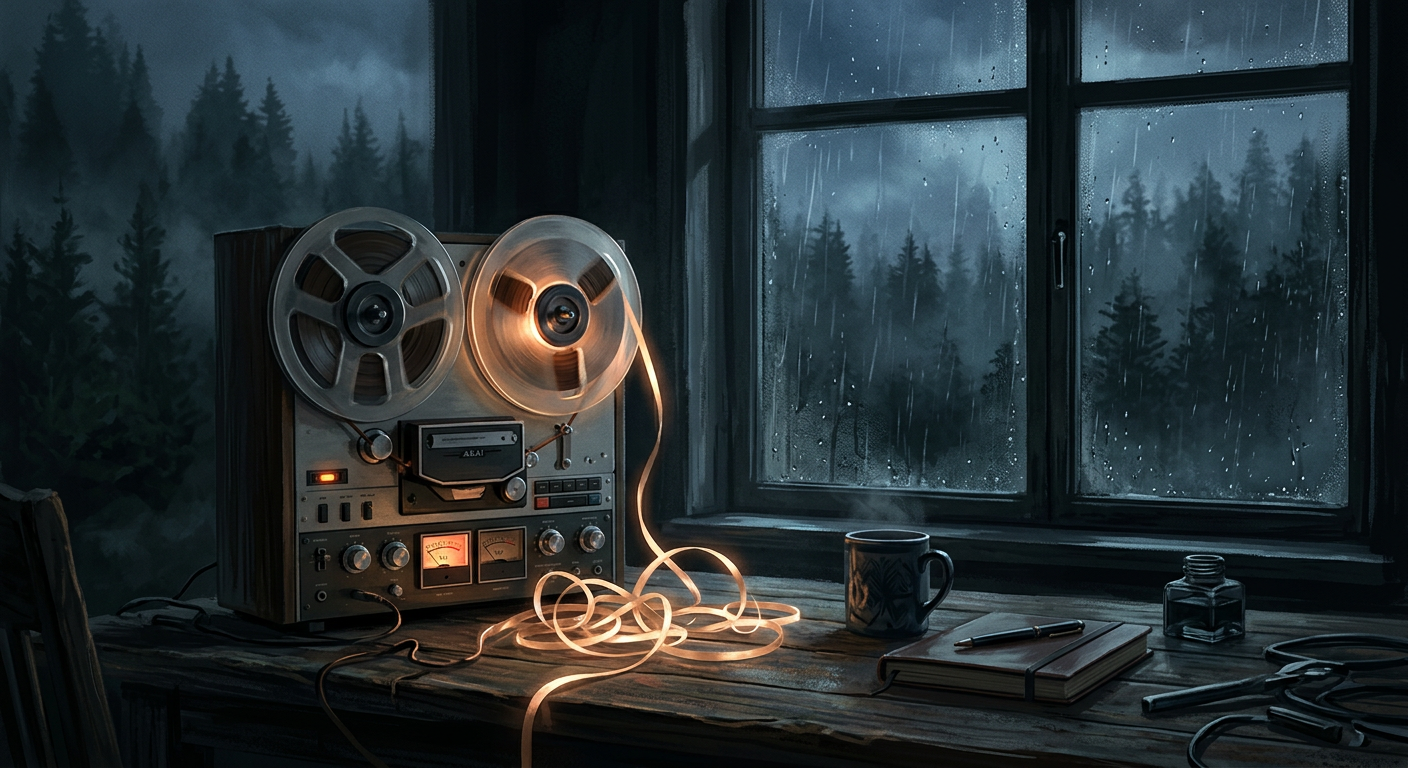
In an era of surgically clean digital production, a quiet rebellion is being whispered through tape hiss and the gentle hum of aging amplifiers. For those seeking texture, warmth, and a sense of place, the search often leads to the essential ambient-folk albums that define a burgeoning micro-genre: Static-Core. Coined in the late 2010s by online communities and niche blogs, Static-Core is more than just a sound; it's an aesthetic philosophy. It champions the beauty of imperfection—the crackle of a needle in the groove, the subtle warp of a cassette tape, the captured sound of a room breathing—and marries it to the introspective, narrative heart of folk music.
This is music that feels unearthed rather than manufactured. It's born from the isolated cabins of the Pacific Northwest, the quiet flats of Scandinavian cities, and the DIY studios of artists who treat their recording equipment not as a transparent window, but as an instrument in itself. It is a direct response to the hyper-polished sheen of mainstream pop and the often-sterile perfection of digital ambient music. Here, we delve into the 10 foundational records that will not only introduce you to this compelling world but also enrich your dedicated listening sessions.
What are the key elements of the Static-Core sound?
Static-Core builds a sonic world from a specific and deliberate palette. It's a genre defined as much by what it includes as by what it omits. Unlike the vast, synthesized washes of classic ambient pioneered by artists like Brian Eno, Static-Core is grounded in the tangible and the acoustic. The 'static' in its name is literal: it refers to the audible artifacts of analog recording media, such as tape hiss, vinyl crackle, and the hum of vacuum tubes. This isn't considered noise to be eliminated, but rather a core textural element that adds warmth and a sense of history.
The 'folk' component is equally crucial. Instrumentation is almost always centered on acoustic sources: fingerpicked guitar, melancholic piano, cello, banjo, and occasionally found-sound percussion. Vocals, when present, are often untreated, close-mic'd, and delivered in a hushed, intimate style reminiscent of artists like Nick Drake or Sufjan Stevens. The lyrical themes revolve around nature, memory, place, and a profound sense of nostalgia—not for a specific time, but for a feeling of unmediated reality.
| Feature | Classic Ambient (e.g., Brian Eno) | Traditional Folk (e.g., Joan Baez) | Static-Core |
|---|---|---|---|
| Primary Sound Source | Synthesizers, processed sounds | Acoustic guitar, vocals | Acoustic instruments, field recordings |
| Core Texture | Smooth, expansive, digital clarity | Clean acoustic recording | Tape hiss, vinyl crackle, room tone |
| Vocal Style | Often absent or instrumental | Clear, narrative, melodic | Intimate, hushed, often untreated |
| Musical Focus | Atmosphere, space, abstraction | Storytelling, melody, social commentary | Atmosphere, texture, nostalgia |
Why is Static-Core gaining popularity in the 2020s?
The rise of Static-Core isn't happening in a vacuum. It's deeply intertwined with broader cultural shifts towards authenticity and analog experiences in a digitally saturated world. The same impulse that drives the resurgence of vinyl, film photography, and craft hobbies is at play here. According to a 2023 report from the Recording Industry Association of America (RIAA), vinyl revenue grew for the sixteenth consecutive year, underscoring a collective desire for tangible media. Static-Core provides the perfect soundtrack for this mindset.
In Static-Core, the medium is the message. The hiss isn't a flaw; it's a layer of time, a ghost in the machine that reminds us the music was made by human hands in a real space.
Furthermore, the genre's themes of quiet contemplation, connection to nature, and introspection resonate strongly with a post-pandemic audience grappling with digital fatigue and a renewed appreciation for slower living. Platforms like Bandcamp have been instrumental in its growth, allowing these niche artists to find a dedicated global audience without the need for major label backing. The platform's 'Bandcamp Fridays' have become significant discovery events for fans of the genre.
1. 'The Fernweh Transcripts' by Salt & Cinder (2019)
Widely considered a foundational text of the movement, the debut album from Oregon-based duo Salt & Cinder (Eliza Vance and Thom Hemlock) is a masterclass in atmosphere. Recorded entirely to a Tascam Portastudio cassette recorder in a cabin on the Mount Hood National Forest boundary, the album blends sparse guitar melodies with hours of field recordings: rain on a tin roof, distant logging trucks, and the crackle of a wood stove. Fernweh, the German word for a longing for faraway places, perfectly captures the album's transportive, melancholic quality.
2. 'Göteborg Hours' by Aska (2020)
Swedish multi-instrumentalist Klara Andersson, under the moniker Aska (Swedish for 'ash'), brings a distinctly Nordic noir sensibility to the Static-Core sound. 'Göteborg Hours' is a concept album documenting the liminal spaces of a city at dawn. The compositions are built around a century-old upright piano, its felt hammers and resonant creaks becoming part of the percussion. Andersson uses tape loops of harbor sounds and distant tram bells to create a soundscape that is both lonely and deeply comforting.
3. 'Dust Motifs' by The Green Luthier (2021)
This album pushes the 'folk' element to the forefront. The Green Luthier is the project of a single, anonymous artist who builds their own instruments from reclaimed wood. 'Dust Motifs' features a homemade banjo, a fretless bass, and various percussive objects. The 'static' here is less about tape and more about the raw, unvarnished sound of the instruments themselves—the scrape of fingers on rough-hewn frets, the resonant buzz of untamed strings. It’s the most rustic and raw album on this list.
4. 'Kinosaki' by Stillwater Phonographs (2018)
An early precursor to the fully-formed movement, 'Kinosaki' by Japanese artist Kenji Tanaka (as Stillwater Phonographs) is a beautiful, minimalist work. Inspired by a stay in the onsen town of Kinosaki, the album uses a simple electric guitar played through a vintage tube amp, with the natural amplifier hum providing a constant, warm floor. The compositions are delicate and patient, evoking the feeling of watching steam rise from a hot spring on a cold morning.
5. 'Maritime' by The Last Lighthouse Keeper (2022)
From the coast of Nova Scotia, The Last Lighthouse Keeper's 'Maritime' is an ode to the sea. The album is drenched in the sounds of the Atlantic—foghorns, buoy bells, and crashing waves, all recorded on location and woven into slow-moving guitar and cello arrangements. The production is notable for its use of reel-to-reel tape, which gives the low-end frequencies a satisfying weight and saturation, making it a favorite for testing high-end audio systems.
| Album | Artist | Key Instrumentation | Dominant 'Static' Source |
|---|---|---|---|
| 'The Fernweh Transcripts' | Salt & Cinder | Acoustic Guitar, Field Recordings | Tascam 4-track Cassette Hiss |
| 'Göteborg Hours' | Aska | Upright Piano, Tape Loops | Tape Loops, Room Tone |
| 'Maritime' | The Last Lighthouse Keeper | Cello, Guitar, Ocean Sounds | Reel-to-Reel Tape Saturation |
6. 'Loam & Sky' by Weaverbird (2021)
Weaverbird is the project of Maya Flores, a former soil scientist, and her fascination with the earth is audible throughout 'Loam & Sky'. This is perhaps the most rhythmically complex album on this list, using sampled sounds of stones, branches, and dried leaves as percussion. The melodies, carried by kalimba and a detuned acoustic guitar, feel ancient and elemental. Its unique sound palette sets it apart, offering a more organic, earthy take on the genre's core tenets.
7. 'The Electric Park' by Lost Arcades (2022)
An outlier in the best way, 'The Electric Park' explores the ghosts of abandoned urban spaces. The duo Lost Arcades uses sounds recorded in derelict amusement parks and forgotten factories, layering them with mournful electric piano and heavily-reverbed guitar. The 'static' here often comes from the crackle of failing electronics and the hum of old wiring, creating a haunting, post-industrial landscape that feels both eerie and beautiful.
8. 'Static & Starlight' by Hollow Valley Observatory (2023)
This is the newest release on our list and it takes Static-Core to the cosmos. Recorded near a dark-sky preserve in West Virginia, Hollow Valley Observatory blends banjo and pedal steel with recordings of Very Low Frequency (VLF) radio emissions from space—the natural 'whistlers' and 'sferics' caused by lightning and auroral activity. The result is an album that feels simultaneously grounded in Appalachian tradition and lost in the vastness of space. It's a breathtaking, expansive listening experience.
9. 'Acreage' by Sylvan Post (2020)
Sylvan Post's 'Acreage' is the quintessential 'porch music' of the Static-Core movement. The entire album was recorded on the front porch of a farmhouse in rural Wisconsin during a single summer. The primary sound is a single acoustic guitar, accompanied by the natural chorus of cicadas, crickets, and distant thunderstorms. It’s aggressively simple, a testament to the power of place and performance over complex production.
This music doesn’t demand your attention, it rewards it. It’s a quiet space you can choose to enter, full of detail and emotion hiding just beneath the surface noise.
10. 'Unsent Letters' by Patient Hands (2019)
The most vocally-driven album here, 'Unsent Letters' by UK artist Patient Hands feels like discovering a box of old correspondence in an attic. The songs are sparse, featuring a hushed, close-mic'd vocal and a nylon-string guitar recorded with so much room tone it feels like the artist is in the room with you. The static is subtle, coming from a purposefully noisy microphone preamp, giving every breath and string squeak a tactile presence.
How should you set up your system for high-fidelity 'Static-Core' listening?
To fully appreciate the textural depth of Static-Core, your audio setup matters. The goal isn't sterile accuracy, but a system that can faithfully reproduce the warmth, detail, and intentional imperfections of the recordings. Many of these albums are released on vinyl and high-resolution digital on platforms like Bandcamp, which are the preferred sources.
A good starting point is a quality turntable. Models like the Pro-Ject Debut Carbon EVO or the Rega Planar 1 offer an excellent balance of performance and price, with cartridges that are adept at pulling detail from the grooves. Pair this with a decent integrated amplifier or a dedicated phono preamp. For digital listening, invest in a good Digital-to-Analog Converter (DAC) to bypass the often-subpar audio components in laptops and phones. Most importantly, a great pair of headphones, like the open-back Sennheiser HD 600 or the closed-back Beyerdynamic DT 770 PRO, will reveal the subtle layers of field recordings and textural static that a lesser system might obscure.
Ultimately, the Static-Core movement offers a poignant musical counter-narrative for our times. It reminds us that there is profound beauty in the flawed, the weathered, and the real. These ten albums are your gateway into a world of sound that feels less like a product and more like a place—a place well worth visiting.
“This is music that feels unearthed rather than manufactured, a ghost in the machine of modern listening.”
Frequently asked questions
- What is 'Static-Core' music?
- Static-Core is a recent micro-genre of ambient-folk music. It's defined by its use of acoustic instruments, field recordings, and the deliberate inclusion of analog artifacts like tape hiss, vinyl crackle, and amplifier hum as textural elements.
- How is Static-Core different from regular ambient music?
- While both focus on atmosphere, classic ambient often uses synthesizers for a smooth, expansive sound. Static-Core is grounded in tangible, acoustic instrumentation and embraces the raw, imperfect textures of analog recording, creating a warmer, more intimate feel.
- Who are some key Static-Core artists?
- Some foundational artists in the fictional 'Static-Core' scene include the duo Salt & Cinder, Swedish pianist Aska, the anonymous instrument-builder The Green Luthier, and the Japanese sound artist Stillwater Phonographs. They each bring a unique geographic and sonic perspective to the genre.
- Where can I find Static-Core music?
- The best place to discover Static-Core artists is on Bandcamp, which allows for direct artist support and high-resolution downloads. Many artists also release their work on vinyl. You might also find curated playlists on Spotify or YouTube dedicated to 'ambient folk' or 'lo-fi acoustic'.
- What's the best way to listen to Static-Core?
- To fully appreciate its textures, listen on a good hi-fi system or with quality headphones. A turntable for vinyl editions or a dedicated DAC for digital files will enhance the warmth and detail. The goal is to hear the subtle imperfections that give the music its character.